
Steel & Iron Security Fencing in Riverside for high-security commercial properties and facilities requiring maximum intrusion resistance
Steel and iron fencing stops forced entry attempts that lighter materials cannot withstand. You need this level of protection when your facility stores high-value assets, when previous security breaches have occurred, or when regulatory standards mandate hardened perimeter defenses. Frontgate Fence, Inc. installs steel and iron security systems across Riverside commercial sites where the cost of intrusion far exceeds the investment in robust physical barriers, and where visible deterrence plays a role in overall site security strategy.
The installation process involves anchoring heavy-gauge metal panels or welded pickets to steel posts set in reinforced concrete footings, creating a rigid structure that resists cutting, climbing, and ramming. Material gauge, picket spacing, and finish options depend on threat level assessment and whether the fencing must meet specific security certifications or insurance requirements.
Arrange an on-site consultation to review threat assessment and fencing specifications for your facility.
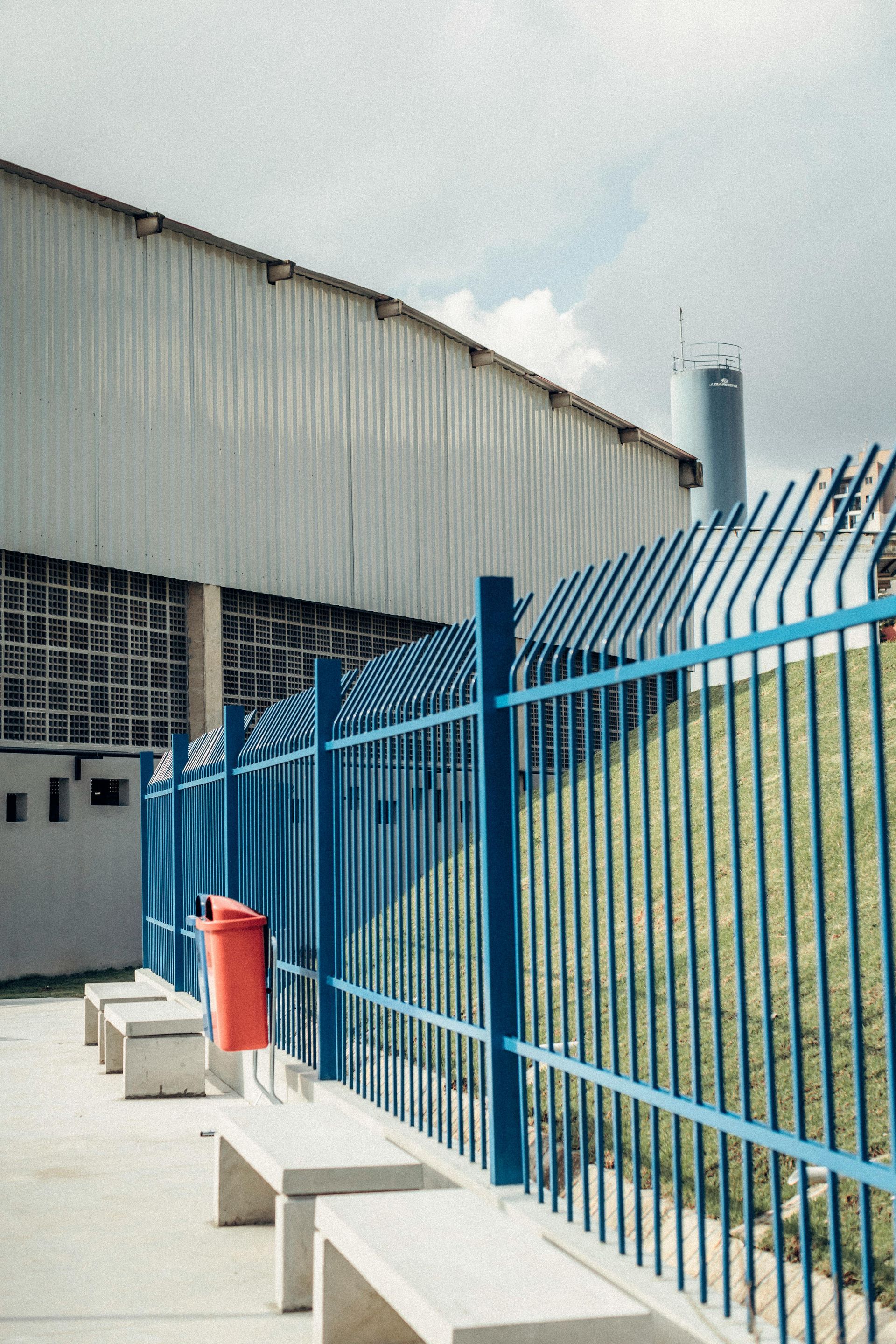
After installation, your property perimeter becomes visibly fortified, signaling to potential intruders that bypassing the barrier requires tools, time, and noise that increase detection risk. Cutting attempts meet hardened steel that resists bolt cutters and handsaws, and climbing becomes difficult due to picket design that offers no footholds. The system maintains its structural integrity even when impacted by vehicles, a consideration for properties near roadways or with vehicle access points.
Finish options include powder coating that resists corrosion in Riverside's dry climate while maintaining professional appearance, and decorative elements like spear-top pickets that add aesthetic value without compromising security function. The system integrates with automated gate operators, surveillance cameras, and intrusion detection equipment, creating layered security that functions as part of a broader site protection strategy.
How Steel Fencing Addresses Forced Entry
Steel and iron fencing uses material thickness and welded construction to eliminate weak points that intruders exploit in lighter systems.
Pickets are spaced too narrowly for body passage and welded to horizontal rails rather than attached with removable fasteners. Posts extend deep into concrete footings, preventing the leveraging and post extraction techniques that compromise chain link or aluminum fencing.
Common Questions About This Service
Steel and iron fencing decisions often involve balancing security performance with budget considerations and property presentation requirements.
- What makes steel fencing more secure than other materials? Steel's tensile strength and thickness resist cutting tools that quickly breach chain link or wood, and welded construction eliminates fasteners that can be removed. The material also withstands impact without deforming, maintaining barrier integrity even when struck by vehicles or heavy objects.
- How does powder coating protect steel fencing in Riverside conditions? Powder coating creates a weather-resistant barrier that prevents oxidation even during occasional rain exposure, while the dry climate reduces the constant moisture that accelerates rust in coastal or humid regions. The coating also resists UV degradation, maintaining appearance over decades without the flaking common in painted finishes.
- Why do insurance companies recognize steel fencing differently than other types? Insurers assess physical security measures when calculating premiums for properties with high-value assets, and steel fencing demonstrates documented intrusion resistance that lighter materials cannot provide. Some policies require hardened perimeter defenses as a condition of coverage for certain property types.
- What height should steel security fencing be for commercial properties? Height depends on security level requirements, with eight feet being standard for high-security applications and ten to twelve feet used when climbing deterrence becomes critical. Riverside zoning may impose height restrictions in certain commercial districts, requiring variance applications for taller installations.
- When does steel fencing require maintenance or inspection? Annual inspections should check welds for cracks, coatings for damage, and gate hardware for wear. Steel fencing requires far less maintenance than wood or vinyl, but areas where vehicles or equipment make contact may need touch-up coating to prevent rust from developing at impact points.
Frontgate Fence, Inc. designs steel and iron security systems based on facility-specific threat assessments and operational requirements. Contact us to schedule a security evaluation and review fencing options that match your protection standards.