
Chain Link Commercial Fencing in Riverside for businesses requiring affordable boundary definition and basic access control
Chain link fencing creates clear property boundaries and controlled access points without the cost of ornamental or high-security materials. Frontgate Fence, Inc. installs chain link systems across Riverside commercial properties where budget constraints require cost-effective security, where visibility through the fence line benefits operations, and where maintenance resources favor durable, low-upkeep materials. You'll see this fencing used extensively around equipment yards, parking areas, and properties where boundary marking prevents liability issues without requiring fortress-level protection.
The system consists of galvanized steel wire woven into diamond mesh and stretched between steel posts anchored in concrete, with top rails adding rigidity and preventing sagging. Height options range from four feet for boundary marking to twelve feet for security applications, and mesh gauge varies based on whether the fence simply defines space or must resist cutting and climbing attempts.
Request a site evaluation to determine fencing height and specifications for your commercial property.
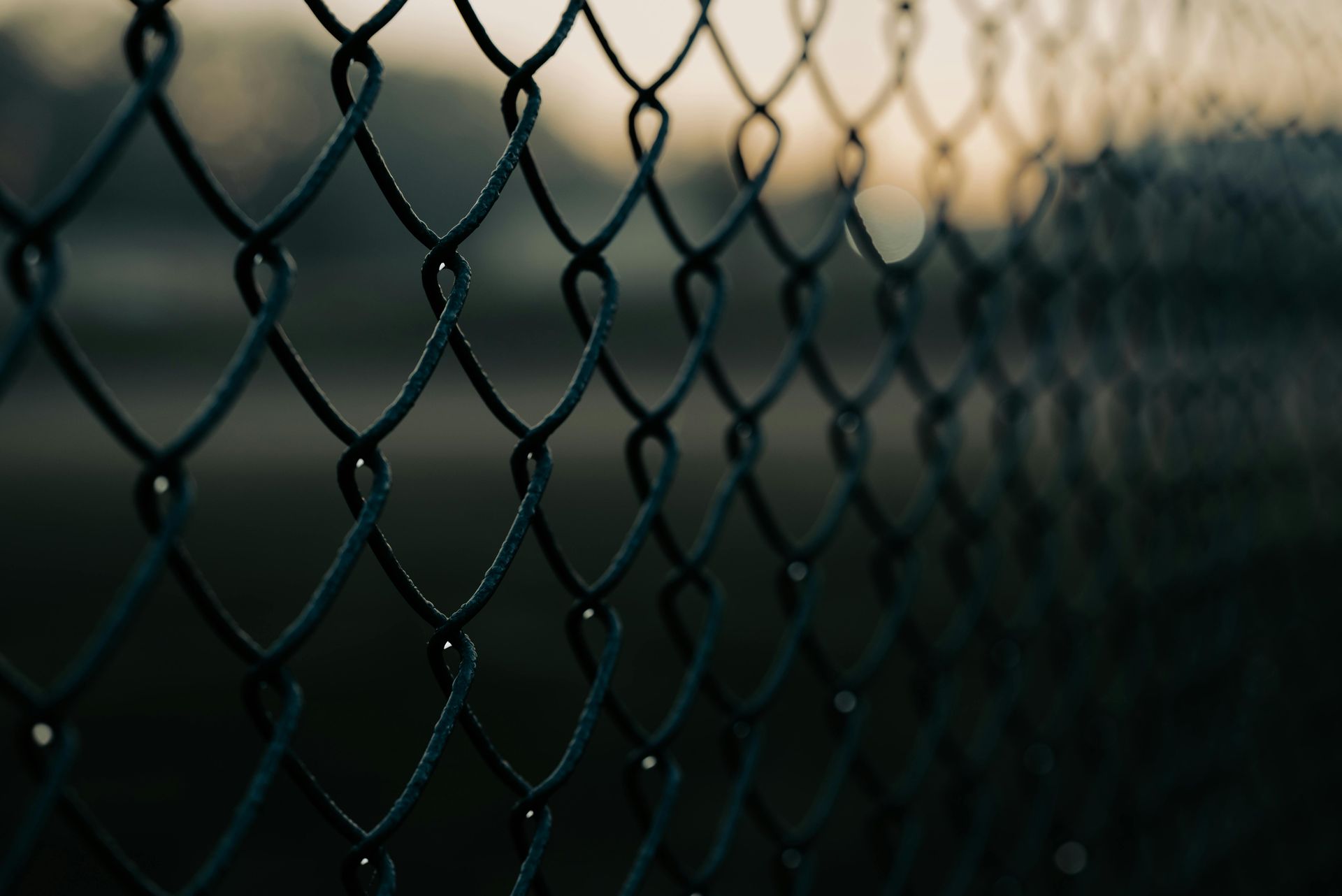
Once installed, your property gains defined boundaries that prevent casual trespassing and clearly mark where public access ends. The open mesh maintains visibility for surveillance while still creating a physical barrier, which matters when you need to monitor activity on both sides of the fence line. Gates control vehicle and pedestrian entry, and the system adapts easily to irregular property lines or terrain changes that complicate installation of rigid panel fencing.
Security enhancements include barbed wire or razor ribbon along the top rail for properties requiring climbing deterrence, privacy slats that block visibility when operations need screening, and heavier gauge fabric for applications where cutting resistance becomes important. The galvanized coating resists rust in Riverside's dry climate, though areas with irrigation overspray or consistent moisture exposure may develop oxidation over time.
What Chain Link Fencing Actually Accomplishes
Chain link installation involves setting terminal posts at corners and gates with larger diameter and deeper embedment than line posts, creating anchor points that handle tension loads.
The mesh fabric is then stretched taut and secured to posts with tension bands and rails, eliminating the slack that leads to premature wear. Proper tension matters because loose fabric allows climbing and accelerates the fatigue failures that appear as broken wires near stress points.
Answers to Frequent Service Questions
Chain link decisions often focus on balancing upfront cost with long-term performance and determining what features actually improve security versus what simply adds expense.
- What mesh gauge should commercial properties use for chain link fencing? Standard nine-gauge fabric works for boundary marking and general access control, while heavier six-gauge mesh provides better resistance to cutting and impact in areas where security threats increase. The heavier gauge costs more but extends service life in high-traffic or high-risk locations.
- How does galvanized coating protect chain link in Riverside conditions? Galvanizing bonds zinc to the steel wire, creating a barrier that prevents oxidation even when the coating is scratched or abraded. Riverside's low humidity slows the corrosion process significantly compared to coastal regions, allowing properly installed chain link to function for decades with minimal maintenance.
- Why do some chain link fences sag while others stay tight? Sagging occurs when fabric is installed without proper tension or when terminal posts lack adequate bracing to handle the load. Correct installation uses tensioning tools to stretch fabric tight before securing it, and corner posts are set deeper with concrete bracing to resist the constant pull that develops across long fence runs.
- What height restrictions apply to chain link fencing in Riverside commercial zones? Most commercial and industrial zones permit fencing up to eight feet without special approval, though properties near residential areas or in mixed-use districts may face lower limits. Zoning regulations also affect whether barbed wire or other security enhancements can be installed.
- When should chain link fencing be replaced rather than repaired? Replacement becomes necessary when fabric shows widespread rust-through, when posts lean or lose stability due to concrete deterioration, or when repeated repairs indicate the system has reached the end of its service life. Isolated damage from impacts or vandalism can usually be repaired by replacing affected sections.
Frontgate Fence, Inc. installs chain link systems that balance cost, security, and durability based on how your commercial property will use the fencing. Schedule a consultation to review options and receive project estimates specific to your site requirements.