
Industrial Fencing Solutions in Riverside for manufacturing facilities, warehouses, and equipment yards requiring large-scale security infrastructure
Industrial sites face security challenges that standard commercial fencing cannot address: large perimeters spanning acres, multiple vehicle access points that must accommodate heavy truck traffic, and high-value equipment or materials that attract organized theft.
Frontgate Fence, Inc. designs and installs industrial fencing systems across Riverside facilities where security failures result in operational shutdowns, significant financial loss, or regulatory penalties. The approach involves evaluating the entire site for access vulnerabilities, then specifying materials and layouts that create defensible boundaries while supporting daily logistics operations.
Installation on industrial properties requires coordinating fence placement with utility corridors, drainage infrastructure, and vehicle circulation patterns, ensuring that security measures don't interfere with loading operations or emergency access. Material selection depends on threat assessment: chain link for basic boundary definition, steel for forced-entry resistance, or combination systems that use different materials across zones based on risk levels.
Arrange a facility assessment to map access points and review fencing specifications for your industrial property.
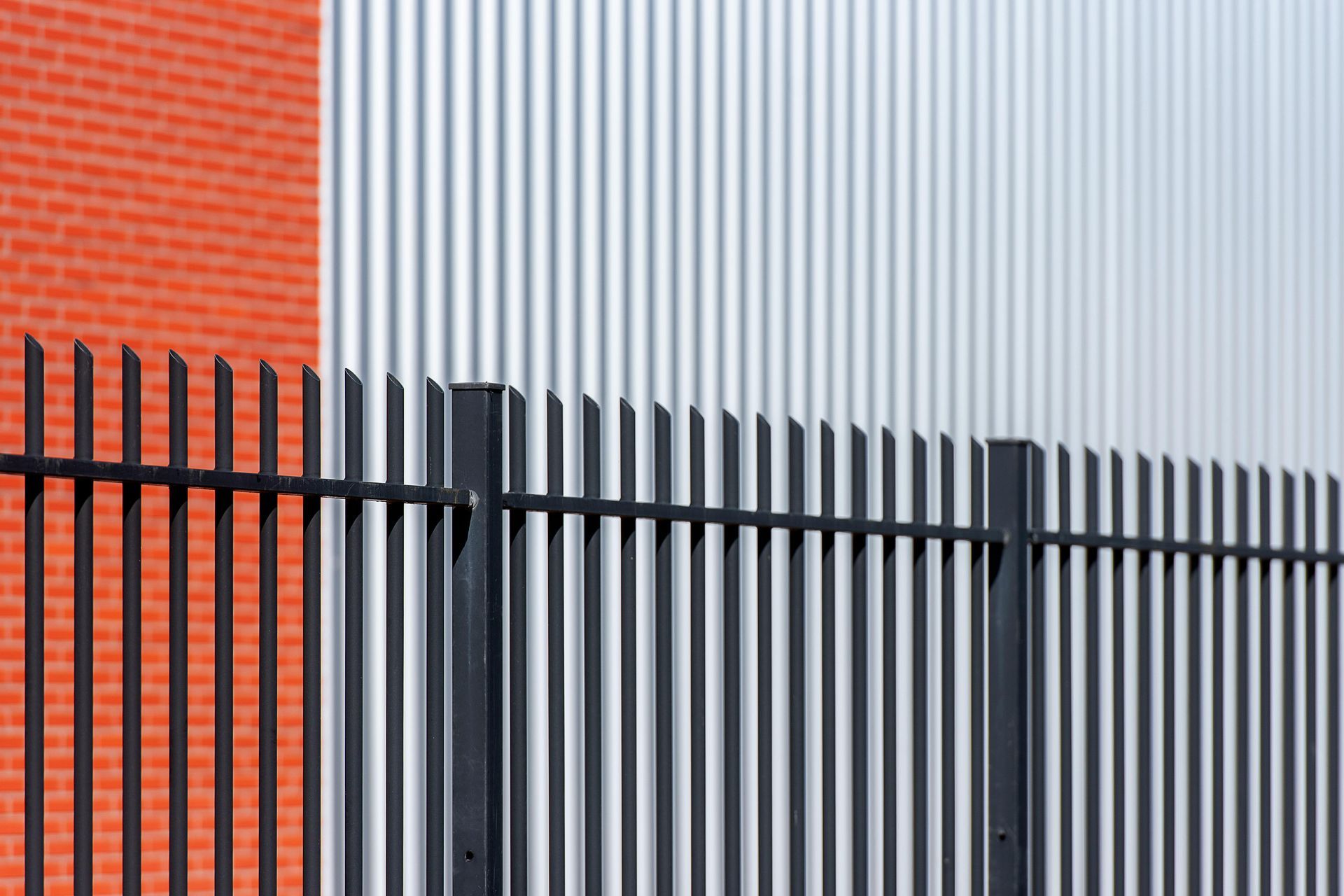
After completion, your facility gains controlled entry points that force all vehicle and pedestrian traffic through monitored gates, eliminating the informal access routes that develop over time on unfenced properties. Equipment yards become secured zones where accountability improves because entry and exit are documented, and theft or vandalism requires breaching visible barriers rather than simply walking onto the property. The perimeter also defines responsibility clearly when incidents occur, establishing where your security obligations begin and public space ends.
Large-scale projects often integrate multiple security features: vehicle-rated swing or cantilever gates for truck access, pedestrian gates with card reader or keypad control, and fence-mounted lighting that eliminates dark zones along the perimeter. The system can accommodate future expansion by designing gate locations and fence terminations that allow additional sections to tie in without requiring full reconstruction of existing runs.
What Changes After Industrial Fencing Installation
Industrial fencing projects begin with site surveys that identify property boundaries, locate underground utilities, and document existing access patterns.
Post installation follows engineered plans that account for gate locations, sight line requirements, and the structural loads imposed by automated gate operators or vehicle-rated barriers. Riverside's expansive industrial zones often sit on alluvial soils that require deeper post embedment than residential areas, preventing the settling and lean that develops when standard depths are used.
Questions Before Starting Your Project
Industrial fencing involves considerations that extend beyond basic boundary marking, requiring coordination with operational needs and regulatory requirements specific to manufacturing and warehouse environments.
- What gate types handle heavy truck traffic at industrial facilities? Cantilever gates work best for wide openings that accommodate tractor-trailers, as they slide parallel to the fence line without requiring overhead clearance or ground tracks that interfere with vehicle passage. Swing gates function well for smaller access points but need adequate clearance radius, which may not be available in congested yard areas.
- How does fencing layout affect daily operations at warehouses and manufacturing sites? Proper layout maintains clear sight lines at intersections, positions gates to minimize conflict between inbound and outbound traffic, and preserves space for truck maneuvering near loading docks. Poor planning creates bottlenecks that slow operations or force drivers to bypass security protocols.
- Why do industrial properties in Riverside require deeper post installation? Alluvial soils common in industrial areas along the Santa Ana River and near rail corridors lack the cohesion of compacted native soils, meaning posts can shift under lateral loads if embedment depth follows residential standards. Deeper installation and larger concrete footings compensate for reduced soil stability.
- What security certifications apply to industrial fencing installations? Some facilities handling hazardous materials or operating under federal security mandates must meet CFATS or other standards that specify fence height, material ratings, and intrusion detection integration. Compliance documentation becomes part of the installation process for regulated sites.
- When should industrial fencing include vehicle barriers beyond standard gates? Add vehicle-rated barriers when the facility faces ramming threats, when gates protect high-value assets or hazardous areas, or when insurance or regulatory requirements mandate crash-rated protection. These systems use reinforced posts and heavy-duty gate construction that stops vehicles without penetration.
Frontgate Fence, Inc. works with facility managers and security directors to design industrial fencing that integrates with operational workflows and meets site-specific protection requirements. Contact us to schedule a facility walk-through and review custom fencing solutions based on your security assessment.